AI Threat Modeling: Trust Boundaries for RAG, Agents, and MCP
Advanced guide to AI threat modeling for RAG, agents, and MCP, with trust boundaries, context provenance, and identity separation.

The five vulnerability classes that most often command the highest bug bounty payouts, with advanced local-lab examples, impact validation, mitigation guidance, and tips for stronger reports.
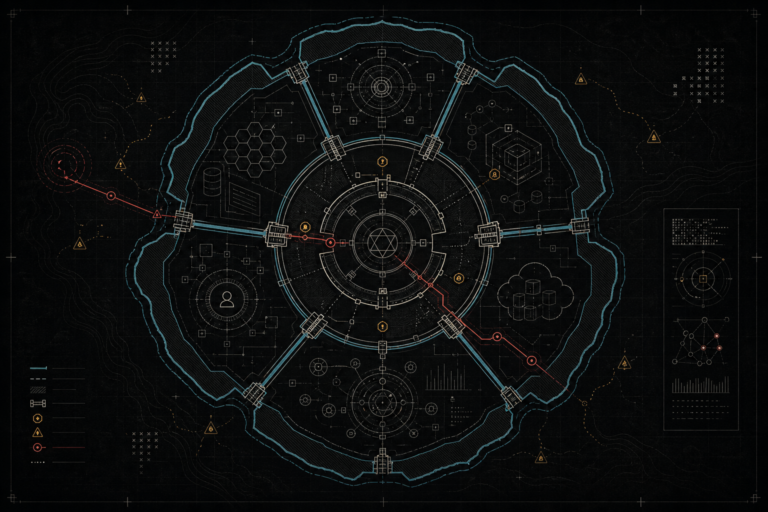
Advanced guide to AI threat modeling for RAG, agents, and MCP, with trust boundaries, context provenance, and identity separation.
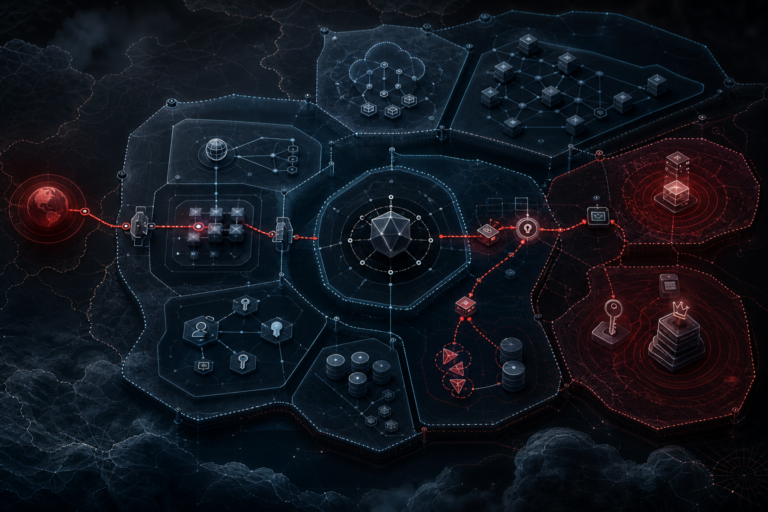
Advanced threat modeling in practice: identities, trust boundaries, SSRF, cloud metadata, delegated tokens, and blast radius across real attack chains.
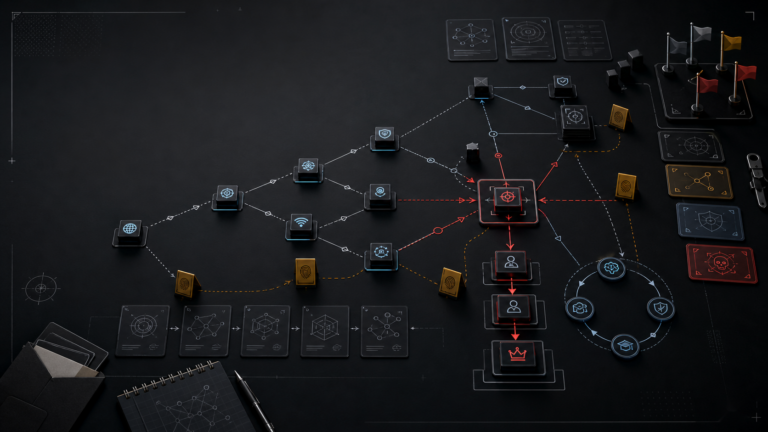
How to use ethical hacking labs to train enumeration, exploitation, evidence gathering, and reporting discipline without falling into CTF habits.
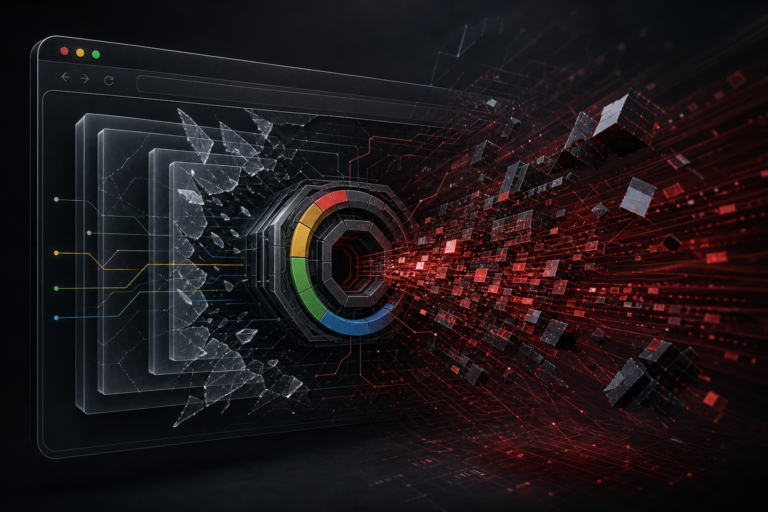
CVE-2026-11645 affects Chrome/Chromium V8 and is already in CISA KEV. In a safe local lab, I show the impact and the red-team response logic.
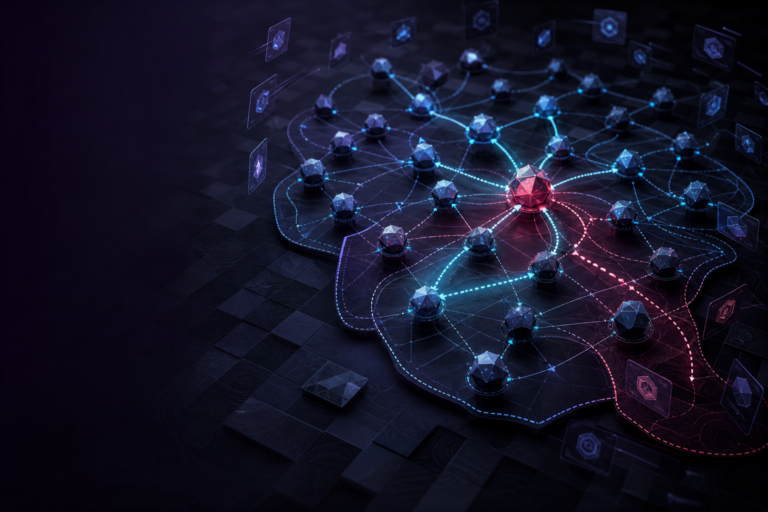
A practical AI Red Team guide to A2A reconnaissance, canary agent registration, agent-card spoofing, and delegation auditing in an authorized lab.
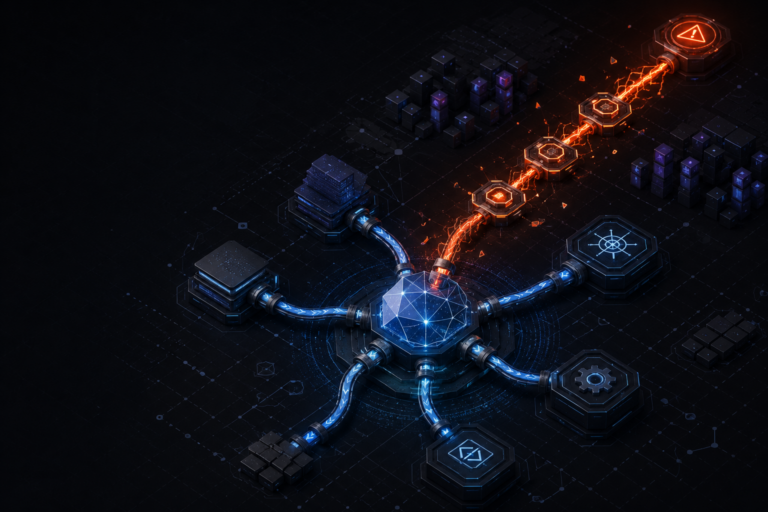
Agentjacking exploits the blind trust AI assistants place in MCP data. One fake Sentry event and your agent executes malicious code.

MCP Security in practice: a safe lab with fictional documents, a mocked local agent, controlled tool exploitation, permissions, schemas, and auditable logs.

OpenSSH 10.3 addresses risks in the SSH client, certificates, forwarding, and legacy scp. Here is the impact, a Blue Team checklist, and safe defensive PoCs.
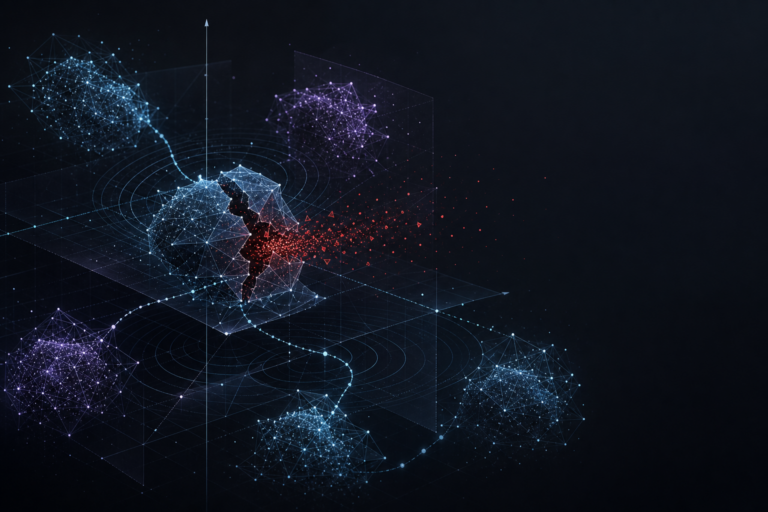
Embedding attacks in practice: inversion, membership inference, semantic probing, evidence artifacts, and defenses for vector databases.

A practical AI Red Team guide for testing agents, RAG, memory, tools, and autonomy workflows beyond prompt injection, with checklists, metrics, and controls.
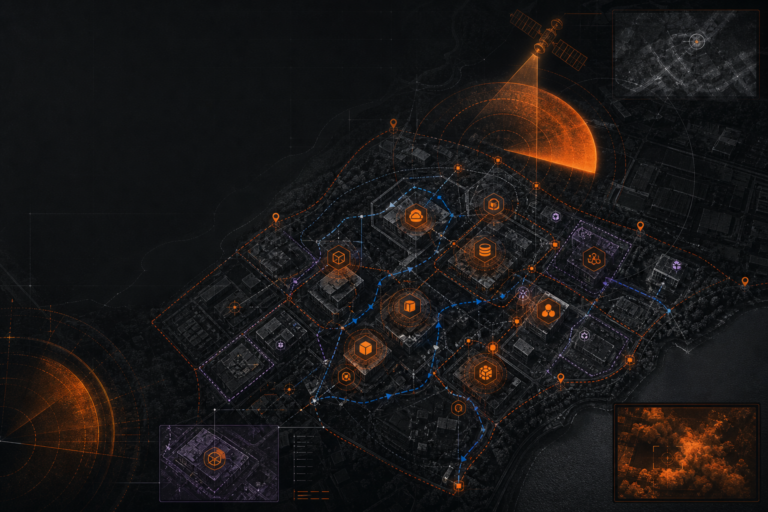
Authorized reconnaissance for enterprise AI: map LLMs, RAG pipelines, agents, tools, IAM, APIs, cloud exposure, and evidence without drifting out of scope.

Autonomous Pentest Agents can accelerate Red Team operations, but they also introduce risk around prompt injection, tool misuse, scope control, evidence quality, and detection.

An advanced guide to defensive corporate OSINT from a Red Team perspective, covering identity, cloud, APIs, detection, and real attack chains.
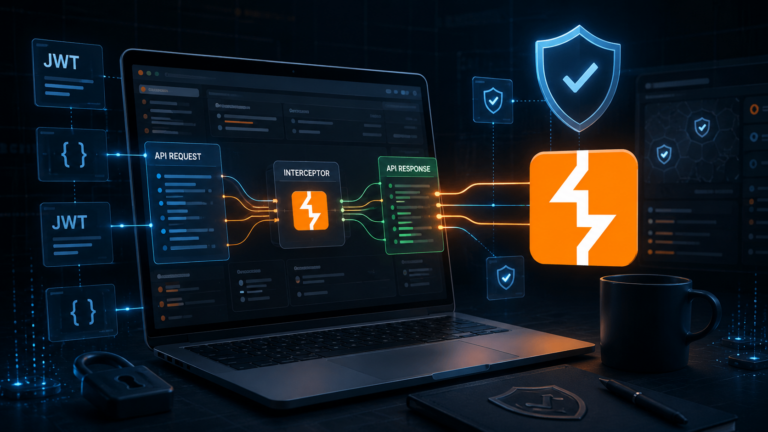
An AppSec guide to building safe Burp Suite extensions for authorized API assessments across JWT, BOLA/IDOR, mass assignment, rate limiting, OpenAPI drift, and evidence collection.
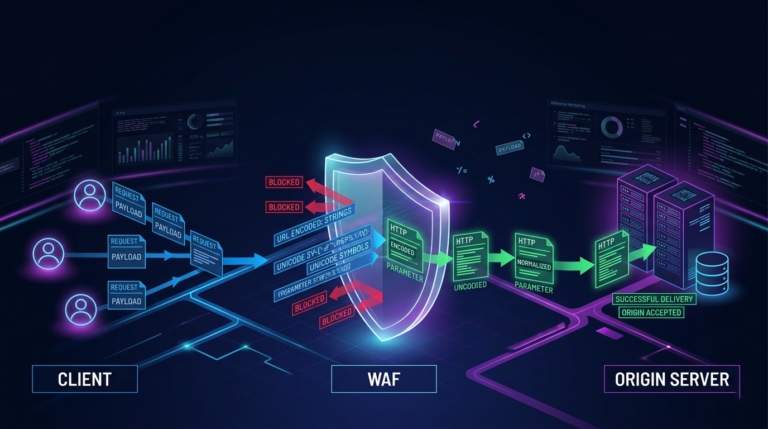
Learn real WAF bypass techniques, how to validate evidence safely, and which controls to apply for detection and mitigation in defensive environments.